
School Bus GPS Tracking: Features, AIS-140 & Buying Guide
Learn how school bus GPS tracking works, AIS-140 requirements, safety features, parent alerts, and how to choose the right tracking system for schools.
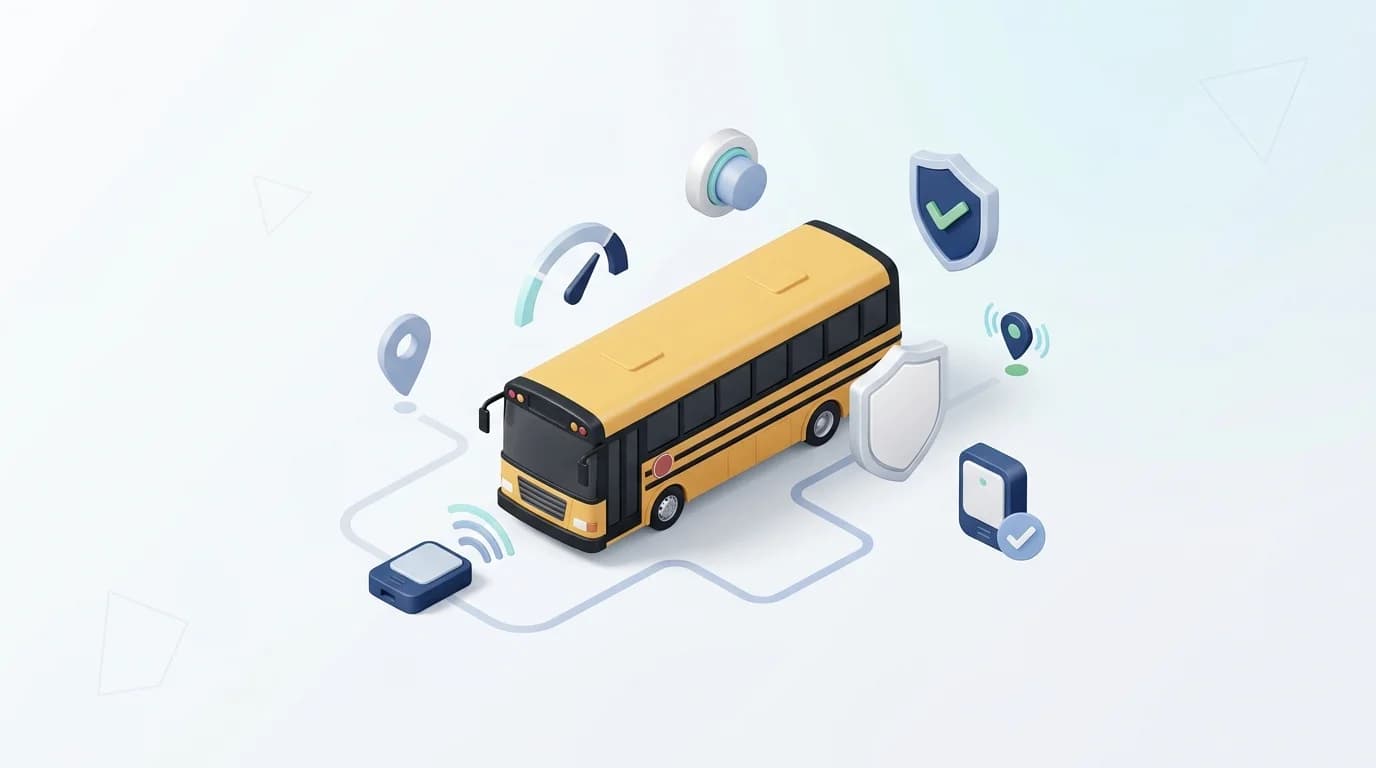
School bus GPS tracking is a tracking system that provides the real-time tracking of a school bus, notifies parents and staff to pickup and drop off, and provides the administration with route, speed and safety visibility — it also integrates with AIS140 compliance that requires that school buses and commercial passenger vehicles have a certified GPS device and panic buttons. The question for the school or the transport operator is not whether to track, but how to select a tracking system that is used by parents and is compatible with the buses and devices you already operate.
This guide offers an explanation of how school bus tracking is accomplished, what is required for AIS-140, the features important for student protection, and what to look for when purchasing a tracking system. One of the choices is Fleet Scanner's school bus tracking system which is briefly discussed at the end.
How Does School Bus GPS Tracking Work?
A GPS device installed in the bus feeds the location into a tracking platform that translates the raw location data into something parents and schools could use: a live map, arrival estimates and alerts. Parents generally use a mobile app to see the bus and will receive notifications when the bus is approaching the school stop, or when their child boards or leaves the bus; School Administration have access to all buses at once and route adherence, speed and alert history.
There are three components: in-bus GPS device (may include a panic button, and sometimes an RFID reader for attendance), the system that receives and uses the GPS data and the apps that parents and staff use. A school is typically required to have the device; the platform is what is really up for decision, and the parent's experience is up to the school.
What Is AIS-140 and Is It Mandatory for School Buses?
AIS-140 is an Indian government standard (set by ARAI) which outlines the GPS tracking device and emergency features to be fitted on public and commercial passenger vehicles including school buses. In practice it will need to have a GSP/GNSS tracking device and panic/emergency buttons, which will allow authorities and operators to see where the vehicle is at any given moment and take action in case of emergency.
While there are some states and transport authorities in India that enforce tracking for school buses with AIS-140, the specifics of enforcement and timelines differ by state, so check with your regional transport authority (RTO) instead of any specific blog, rules change. For a school, this means that the device installed needs to be AIS-140 and ARAI certified; and the tracking platform that you use needs to be able to ingest data from that certified device. That's why the first thing you need to check is the device-and-platform compatibility.
Features That Matter for Student Safety
The features that actually protect students and reassure parents are a focused set - don't get sidetracked by long lists of features that parents never use:
Parent notifications — Live bus location and automatic notification to parents (via app and SMS), but without phone calls to the school office, so working parents can stay informed.
Geofencing — around school and stops that send arrival/departure alerts and alert for route deviations.
Speed and driver alerts - over speeding and harsh driving alerts, which are the most concerning driver behavior alerts.
Emergency SOS / panic button - the emergency feature of the AIS-140, which alerts the driver or student to ask for assistance and notifies the school administration.
Attendance (optional) - Have students board via the RFID reader or App to keep the school up-to-date on who is on which bus.
The common denominator, however, is that these features benefit the two audiences that really matter: parents (reassurance) and administrators (oversight and accountability).
What to Look for Before You Buy
It's a choice of school bus tracking and about fit and adoption—mostly. There are four checks that are most important:
Does it support your existing AIS-140 devices? If you already have certified devices, select a platform that can be used with multiple device brands, enabling you to maintain the device and upgrade software, rather than hardware. Covers a wide range of compatible devices, ensuring that your investment is not lost.
Will parents actually use the app? If it fails to meet the government's specs and the office is still getting calls in the morning, it hasn't done its job. Search for onboarding materials, multi-language support, and an easy-to-use parent app.
Who handles parent onboarding and support? The use of set up guides and parent-specific support for questions is essential in the best systems, as this is where most school deployments either grow or wither.
Is it reliable and compliant? Verify AIS-140/ARAI certification on the device and reliable, up-to-date data on the platform.
Ensure that you match the system with the way that it will be used with your school and parents, and confirm that it meets current state regulations.
How Fleet Scanner Fits
Fleet Scanner has a school bus tracking system in its fleet solution, and with live tracking, geofencing and alerts as well as support for a large range of GPS devices and protocols, you don't have to be tied to a specific brand to use it for school bus tracking. It will depend on your buses, existing devices and state compliance requirements – check against your own situation.Book a walkthroughto view it with your fleet.
Frequently Asked Questions
What is school bus GPS tracking?
It's a system that lets parents know where the school bus is and when it is picking them up or dropping them off, and allows schools to track routes, speed and safety. It is associated with AIS-140 in India which requires a certified GPS unit and panic button facilities in school and passenger vehicles.
Is GPS tracking mandatory for school buses in India?
Some states mandate GPS tracking and panic buttons on school buses, with each one having varying enforcement and timelines. Check with your local transport authority as rules may be different, and requirements may vary from region to region.
What is AIS-140 compliance for school buses?
AIS-140 is an Indian standard (by ARAI) that mandates a vehicle to be fitted with a certified GPS/GNSS tracking device and panic buttons for commercial and school passenger vehicles so that the vehicle can be tracked in real time and emergencies reported. The device has to be AIS-140 and ARAI certified.
What features should a school bus tracking system have?
The most important features are parent notification (live location and pick-up/drop-off alerts), geofencing, speed and driver-behavior alerts, an emergency SOS/panic button, and optionally RFID attendance. The app is as simple to use as the spec.
Can I keep my existing GPS devices?
Many times — as long as you select a platform that works with several brands of devices. Alternatively, if your buses are already equipped with AIS-140 certified devices, search for software which will support these devices so as to ensure that you are not replacing the devices but merely upgrading the platform.
Conclusion
School Bus GPS tracking is now standard for schools and transport operators, as meeting the requirements of AIS-140 and keeping parents informed are expectations. The options that remain are which platform to run, and the answer lies not in the specification but in the fit and adoption: select a platform that works with your current certified devices, that has an app which parents will use, and one that has a solid onboarding and support program. Check with the transport authority in your state for the latest requirements of AIS-140, and then match that with how you plan to utilize the system in your school and parents' lives every day. Explore an option, with the school bus tracking system from Fleet Scanner.
Keep reading

Construction Equipment GPS Tracking: Theft and Utilization
Construction Equipment GPS Tracking helps prevent theft, reduce idle time, improve utilization, and schedule maintenance using real-time asset data.
GPS Tracking Hardware: How to Choose the Right Trackers
When selecting GPS tracking hardware, consider the type that is compatible with your tracking business and your customers' needs, determine if the trackers are compatible with the protocols of your platform (which helps prevent vendor lock-in), assess network capabilities for the areas you serve...
How to Price GPS Tracking Services: Formula & Pricing Tips
Track the price of a GPS system on a per-vehicle, per-month basis, and add your own per-vehicle cost (platform + SIM/data + support) plus your desired margin, and then select pricing model (flat, tiered, or hardware-bundled) based on the market you're operating in . There is no set price; the...