What Is Electronic Proof of Delivery (ePOD)? A Simple Guide
Electronic proof of delivery (ePOD) replaces paper delivery slips with a signature, photo, time and GPS location captured on the driver’s phone. Here is how it works, what it records and why it helps you get paid faster.
 Prerit Khera5 min read
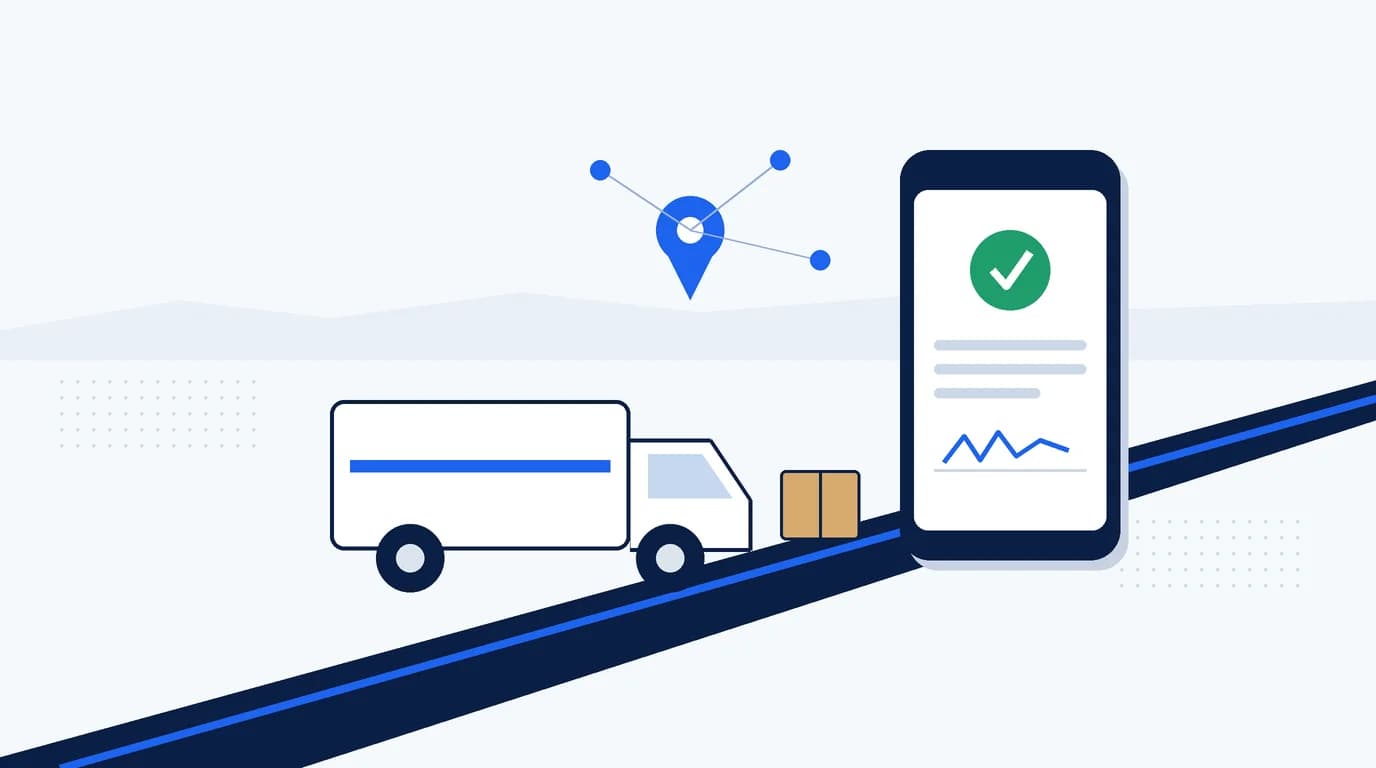
Electronic proof of delivery (ePOD) is a digital record that shows a delivery really happened. Instead of a paper slip, the driver uses a phone app to collect the customer's signature, take a photo and note who received the goods. The app also saves the time and the GPS location of the drop. That record goes straight to the office, so everyone can see it a few seconds later.
If you run delivery vans or trucks, this guide explains how electronic proof of delivery works, what it records, and why it saves time and money. If you want to see it in action, take a look at our electronic proof of delivery software.
What is proof of delivery?
Proof of delivery (POD) is evidence that goods reached the right person, at the right place, in the right condition. For years this was a paper document. The driver handed over the goods, the customer signed a slip, and the driver brought the slip back to the office.
Paper POD has three big problems:
- Slips get lost or damaged. Rain, coffee and messy cabs ruin paper. Some slips never make it back.
- It is slow. The office only sees the slip when the driver returns, often days later.
- It is easy to argue with. A scribbled name on paper does not prove when or where the delivery happened.
Electronic proof of delivery fixes all three by moving the whole record into an app.
How electronic proof of delivery works
Here is what a typical ePOD delivery looks like, step by step:
- The driver gets the job. The delivery shows up in the driver app with the address, the customer name and the items.
- The driver arrives. The app knows the vehicle's GPS position, so it can record that the driver was really at the address.
- The customer signs. The customer signs on the phone screen with a finger.
- The driver takes photos. A photo of the goods at the door, or of the signed paperwork, shows what was left and in what condition.
- The driver adds notes. For example, "left with the receptionist" or "one box damaged".
- The record is sent. The app sends everything to the office straight away, with the date, time and location stamped on it.
The whole thing takes less than a minute at the door.
What an ePOD record includes
A good electronic proof of delivery record answers the questions people ask when something goes wrong:
- Who received it? The receiver's name, phone number and signature.
- When was it delivered? The exact date and time.
- Where was it delivered? The GPS location of the vehicle at the drop.
- What was delivered? The items and quantities, plus photos.
- Was anything wrong? Notes about damage, missing items or a refused delivery.
Because the location comes from live vehicle tracking, nobody has to take the driver's word for it. The map shows where the vehicle stopped.
Why fleets switch to electronic proof of delivery
1. You stop losing paperwork
Every delivery record is saved online the moment it is made. There is nothing to lose in the cab and nothing to file in a cabinet.
2. Disputes end quickly
When a customer says "we never got it", you can show the signature, the photo, the time and the map location in seconds. Most disputes stop right there.
3. You get paid faster
With paper, you often wait for slips before you can send an invoice. With ePOD, the delivery is confirmed straight away, so you can invoice the same day. Fleet Scanner can turn a completed delivery into an invoice with freight billing.
4. Customers see what is happening
You can share a live tracking link before the delivery and the proof afterwards. Customers call less because they can already see the answer.
5. Drivers spend less time on paperwork
No forms to fill in at the end of the day and no trips back to the office just to drop off slips.
Electronic proof of delivery vs paper POD
| Paper POD | Electronic POD | |
|---|---|---|
| Speed | Days, when the driver returns | Seconds after the drop |
| Proof of time and place | Handwritten, easy to question | Automatic GPS location and timestamp |
| Photos | No | Yes |
| Risk of loss | High | Saved online |
| Invoicing | Waits for the slip | Same day |
Who uses electronic proof of delivery?
Any business that hands goods to a customer can use ePOD. Common examples:
- Parcel and last-mile delivery companies (see our delivery management system)
- Freight and trucking companies that deliver full or part loads
- FMCG and food distributors with many drops a day
- Medical and pharmacy deliveries, where the receiver's name really matters
- Building supply and equipment rental companies
What to look for in proof of delivery software
If you are choosing a tool, check these points:
- Works on any phone. Drivers should not need special hardware.
- Signature, photo and notes in one screen. Fewer taps means drivers actually use it.
- GPS and time stamps added automatically. Drivers should not type them.
- Linked to tracking and trips. The proof should sit next to the trip on the map, not in a separate app.
- Linked to billing. A confirmed delivery should be able to start the invoice.
- Easy to search. You should find any delivery by customer, date or vehicle in seconds.
Fleet Scanner's trip records, tracking and proof of delivery all live in one system, so the proof, the route and the invoice are always connected.
Frequently asked questions
Is an electronic signature valid as proof of delivery?
In most countries, yes. An electronic signature with a time, place and photo is usually stronger evidence than a paper slip, because it is hard to fake and cannot be lost. If your contracts have special rules, check them with your legal adviser.
What does ePOD stand for?
ePOD stands for electronic proof of delivery. It means the same as digital proof of delivery.
Do drivers need a special device?
No. A normal Android or iPhone smartphone with the driver app is enough.
What if the customer is not there?
The driver can take a photo of where the parcel was left and add a note, such as "left with neighbour at number 12". The GPS location and time are still saved.
The bottom line
Electronic proof of delivery replaces paper slips with a record that is instant, hard to argue with and easy to find. You save time, stop most disputes and get paid sooner. To see how it works with your own deliveries, book a free demo.
Keep reading
Logistics Automation: What to Automate First in 2026
Discover logistics automation priorities for 2026. Reduce manual work, cut costly errors, and learn which tasks to automate first for better results.
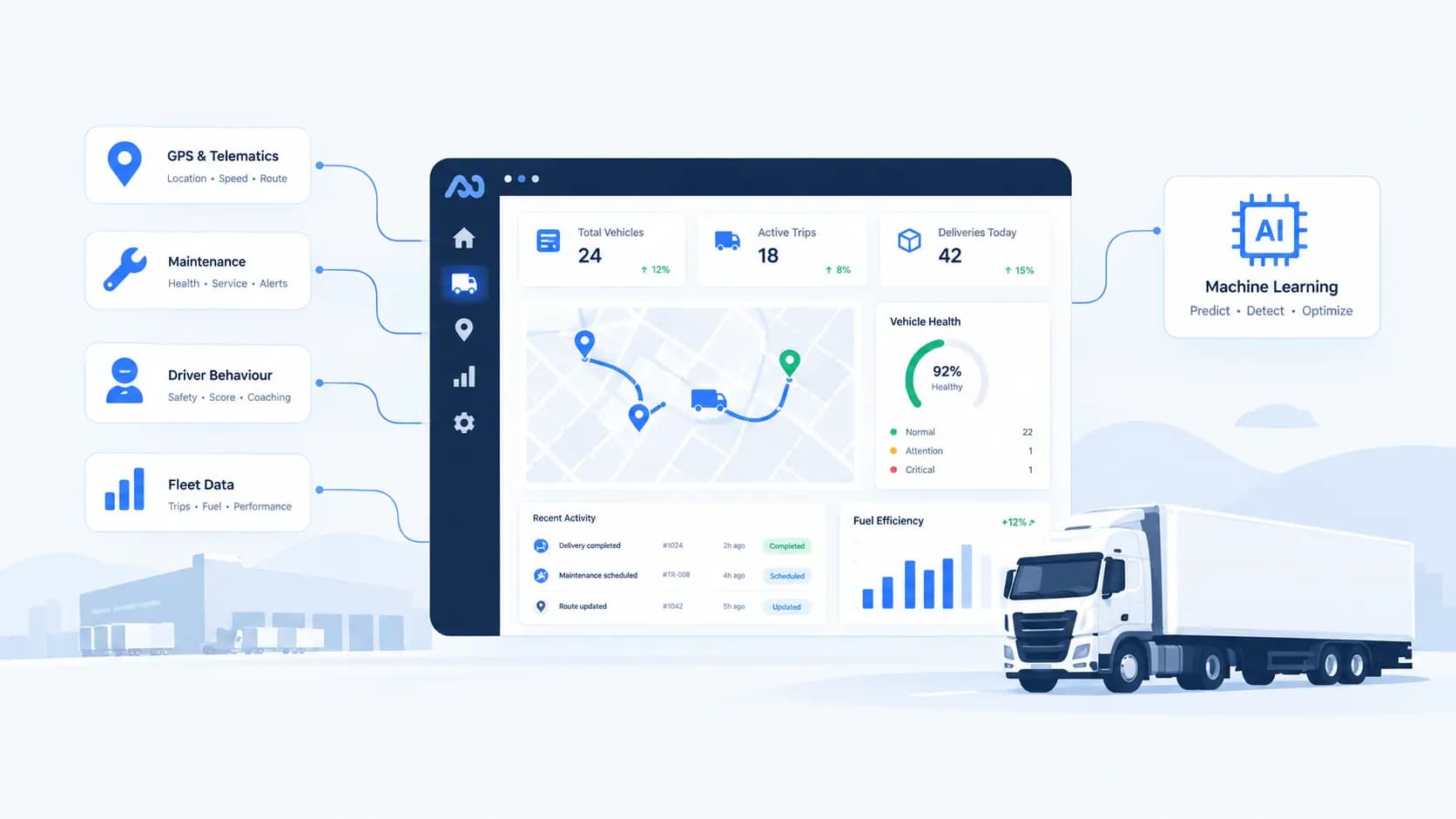
Machine Learning in Fleet Management: Real Use Cases (2026)
Machine learning in fleet management improves predictive maintenance, route optimization, driver safety, anomaly detection, and fuel forecasting in 2026.
Best CRM for Fleet Management Companies
Compare the best CRM for fleet management companies in 2026. Explore fleet CRM features, leading platforms, and how to choose the right solution.